Mastering the Pink Woodland Magical Fairy Clipart Aesthetic for Professional Results
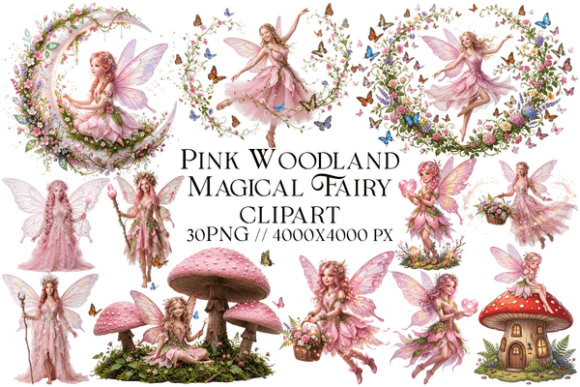
The allure of the enchanted forest has never been more potent in the world of digital design. As cottagecore and fantasy aesthetics continue to dominate social media feeds and handmade marketplaces, creators are constantly seeking high-quality assets that capture this whimsical spirit. The Pink Woodland Magical Fairy Clipart collection represents a specific niche within this trend, blending soft, dreamy color palettes with intricate woodland details. However, simply downloading a bundle of fairy illustrations is not enough to guarantee professional-looking results. Many designers, from hobbyists to small business owners, stumble over technical and aesthetic pitfalls that diminish the quality of their final products. Understanding how to properly utilize these graphics can mean the difference between a amateurish print and a best-selling item.
The Resolution Trap: Why Size Matters More Than You Think
One of the most common mistakes creators make when selecting digital assets is overlooking resolution requirements until it is too late. You might find a beautiful fairy illustration that looks crisp on your computer screen, but when you attempt to sublimate it onto a t-shirt or print it as large wall art, the image appears pixelated and blurry. This happens because screen resolution (typically 72 DPI) is vastly different from print resolution (300 DPI).
When evaluating a Pink Woodland Magical Fairy Clipart Bundle, always verify the pixel dimensions before purchasing. A high-quality set should offer files that are at least 3000x3000 pixels, though 4000x4000 pixels is the gold standard for versatility. This ensures that you can scale the image up for a large nursery poster or down for a delicate sticker without losing clarity. If a bundle only provides small files, you will be limited to tiny applications, severely restricting your return on investment. Always check the product description for "High Resolution" and specific pixel counts to avoid this costly error.
Misunderstanding Transparent Backgrounds and File Formats
Another frequent oversight involves file formats. Many beginners assume that any image file can be used for layering designs. However, if you purchase a set that delivers JPEGs instead of PNGs, you will struggle with white boxes surrounding your fairies and mushrooms. For sublimation, sticker making, and digital scrapbooking, transparent backgrounds are non-negotiable.
The Pink Woodland Magical Fairy Clipart described in premium bundles typically comes in PNG format with transparent backgrounds. This allows you to layer glowing mushrooms behind a fairy, place text over celestial elements, or combine potion bottles with floral accents seamlessly. If you attempt to remove backgrounds from JPEGs using basic software, you often end up with jagged edges and halos that look unprofessional. Save yourself hours of editing time by ensuring your source files are already optimized with transparency. This is particularly crucial for complex designs involving intricate fairy wings or delicate butterfly antennae.
Color Consistency and Sublimation Challenges
Working with a soft pink color palette requires a keen eye for color management, especially when moving from screen to physical product. Digital screens emit light, making colors appear vibrant and luminous, while sublimation printing relies on ink absorption, which can mute tones. A common mistake is assuming the pink hues seen on your monitor will translate exactly to a polyester t-shirt or ceramic mug.
To mitigate this, perform test prints on your specific materials. The enchanted forest theme relies heavily on subtle gradients and pastel tones. If your printer settings are incorrect, these soft pinks may turn out washed out or overly saturated. Additionally, consider the base color of your product. Sublimation works best on white or very light-colored items. Printing a delicate, light-pink fairy on a dark garment will result in the design disappearing entirely. Always pair these magical graphics with appropriate substrates to maintain the dreamy, whimsical atmosphere intended by the artist.
Overcrowding Designs: Less Is Often More
Because bundles like the Pink Woodland Magical Fairy Clipart include a wide variety of elements—fairies, lanterns, crystals, animals, and florals—there is a temptation to use every single asset in one design. This leads to visual clutter, where the focal point gets lost among too many competing details. A busy design can confuse the viewer and reduce the perceived value of the product.
Instead, adopt a minimalist approach. Choose one primary element, such as a central fairy figure, and support it with two or three complementary items, like a glowing mushroom and a few scattered petals. Use negative space effectively to let the design breathe. This technique is particularly effective for journal covers and planner stickers, where readability and calm aesthetics are prioritized. By curating your elements rather than dumping them all onto the canvas, you create a more sophisticated and balanced composition that appeals to the cottagecore demographic.
Licensing and Commercial Use Misconceptions
Perhaps the most critical aspect often ignored is the license agreement. Many creators assume that buying a digital download grants them unlimited rights to resell the clipart itself or use it in any manner. This is rarely the case. Most standard licenses allow for the creation of end products, such as printed t-shirts or invitations, but prohibit the redistribution of the raw PNG files.
Before using these graphics for your small business, read the terms carefully. Can you use them for print-on-demand services? Are there limits on the number of physical sales? Understanding these boundaries protects your business from legal issues. Furthermore, ensure that the artwork is original and not stolen from other artists. Reputable sellers provide unique, hand-drawn, or professionally illustrated content. Using pirated or low-effort AI-generated art without disclosure can damage your brand reputation among discerning customers who value authentic fantasy artwork.
Optimizing for Different Platforms
Finally, consider where your designs will live. A design that looks stunning on a physical invitation may need adjustment for digital social media posts. For Instagram or Pinterest, ensure your images are saved in RGB color mode and optimized for web viewing to maintain fast loading times without sacrificing quality. For physical products like tumblers or mugs, remember to account for the curve of the object. Position key elements, such as the fairy’s face or important text, in the center safe zone to avoid distortion during wrapping.
By paying attention to resolution, file formats, color accuracy, composition, licensing, and platform-specific needs, you can fully leverage the potential of the Pink Woodland Magical Fairy Clipart. These steps transform a simple digital download into a powerful tool for creating enchanting, high-quality products that resonate with fairy lovers and fantasy enthusiasts alike. Take the time to master these technical details, and your creative output will reflect the true magic of the enchanted forest.