Integrating Claude Monet Paintings Digital Papers 10 into Modern Creative Workflows
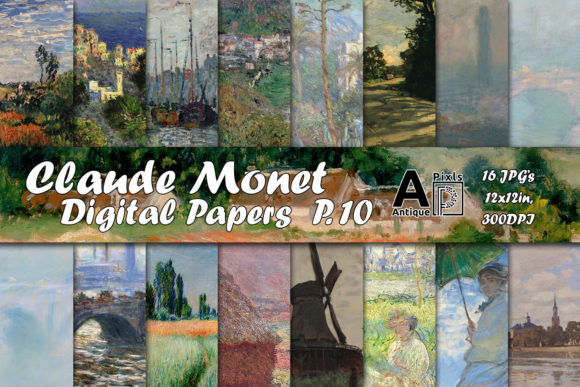
The intersection of classical art and digital crafting has opened new avenues for creators who seek to blend historical aesthetic with modern convenience. Claude Monet Paintings Digital Papers 10 represents a curated selection within a broader multi-volume series dedicated to the works of Oscar-Claude Monet. This specific collection offers sixteen high-resolution files, meticulously edited to fit a standard 12 x 12 inches digital paper template. For junk journalers, scrapbookers, and digital artists, these assets provide more than just background textures; they offer a tangible connection to the Impressionist movement, allowing users to incorporate the soft light and vibrant color palettes of the 19th century into contemporary projects.
The Technical Foundation of High-Resolution Digital Assets
When selecting digital resources for print-based crafts, resolution is the primary determinant of quality. The files included in this set are rendered at 300 DPI (dots per inch), which is the industry standard for professional printing. This specification ensures that when images are printed on cardstock, photo paper, or specialty craft papers, the details remain crisp and the colors do not pixelate. The JPEG format provides a balance between file size and image fidelity, making these files accessible for users with varying levels of technical infrastructure.
The 12 x 12 inch dimensions are particularly significant in the crafting community. This square format is the gold standard for scrapbooking pages, allowing for symmetrical layouts and ample space for photos, journaling, and embellishments. By pre-editing Monet’s paintings to fit this template, the creators of Claude Monet Paintings Digital Papers 10 have removed a significant barrier to entry. Users no longer need to spend hours cropping, resizing, or adjusting aspect ratios. Instead, they can immediately begin the creative process, focusing on composition and narrative rather than technical preparation.
Versatility Across Craft Disciplines
While the primary marketing focus often lands on junk journaling and scrapbooking, the utility of these digital papers extends far beyond these two categories. The abstract nature of Impressionism, characterized by visible brushstrokes and an emphasis on light over line, makes these images exceptionally versatile for various applications.
- Card Making and Greeting Cards: The serene landscapes and floral studies found in Monet’s work provide elegant backgrounds for handmade cards. Whether for birthdays, anniversaries, or sympathy notes, the emotional resonance of these paintings adds depth to personal messages.
- Decoupage and Surface Design: When printed on thinner paper or specialized decoupage tissue, these images can be applied to furniture, boxes, or trays. The layered look of Impressionist art complements the layered technique of decoupage, creating a vintage, textured finish.
- Event Decorations and Invitations: For themed parties, such as garden teas or art-history-inspired gatherings, these digital papers can be used to design invitations, labels, and table settings. The cohesive visual theme helps establish an immersive atmosphere for guests.
- Vintage Collages: Artists creating mixed-media collages can use these papers as foundational layers. The soft edges and blended colors of Monet’s style allow other elements, such as typography or black-and-white photography, to stand out without visual conflict.
Understanding the Artistic Value of Oscar-Claude Monet
To fully leverage these digital assets, it is helpful to understand the source material. Oscar-Claude Monet was a founder of French Impressionist painting, and the term "Impressionism" is derived from the title of his painting Impression, Sunrise. His work is defined by a commitment to capturing the momentary effects of light and color. In Claude Monet Paintings Digital Papers 10, users will find representations of his most iconic subjects: water lilies, haystacks, gardens, and urban landscapes.
These themes are not merely decorative; they carry cultural weight. Using these images in educational materials, for instance, can serve as a subtle introduction to art history. Teachers and homeschooling parents might use these digital papers to create engaging worksheets or presentation backgrounds that stimulate interest in the arts. For researchers and historians, having high-quality digital reproductions allows for the creation of visually appealing reports and publications that respect the integrity of the original artworks.
Practical Implementation for Junk Journaling
Junk journaling is a practice that combines recycling with creativity, using found objects and papers to create handwritten journals. The aesthetic of this hobby often leans toward the vintage, the worn, and the nostalgic. Monet’s paintings, with their association with a bygone era, fit seamlessly into this genre. However, successful integration requires thoughtful application.
One effective technique is to use the digital papers as pocket inserts. By printing the 12 x 12 inch sheets and folding them or cutting them down, creators can make envelopes and pockets that hold ephemera. The floral patterns in Monet’s garden scenes work particularly well for this, adding a touch of nature to the functional aspects of the journal. Another approach is to use the images as full-page spreads. A single, powerful image from the set can serve as a backdrop for a month’s worth of reflections, with text written directly over the lighter areas of the painting.
It is also important to consider the color palette of the surrounding elements. Since Monet’s work is rich in color, pairing these digital papers with neutral tones—such as kraft paper, beige cardstock, or black ink—can prevent the layout from becoming overwhelming. This balance ensures that the art remains the focal point while supporting the journal’s narrative structure.
Expanding Your Creative Library
This collection is part of a multi-volume series, which suggests a comprehensive archive of Monet’s work is available. For serious creators, relying on a single set may limit the variety of moods and themes available for different projects. Exploring the entire series allows for a more nuanced toolkit. One volume might feature the bright, sunny hues of summer gardens, while another might capture the misty, muted tones of winter landscapes. By visiting the store and searching for "Monet," users can curate a library that matches the seasonal or emotional tone of their upcoming projects.
Checking all images before purchase is a recommended best practice. While the description highlights the general content, individual preferences vary. Some users may prefer the abstract qualities of the Water Lilies series, while others may gravitate toward the structural elements of his architectural paintings. Reviewing the thumbnails ensures that the specific files in Claude Monet Paintings Digital Papers 10 align with the user’s current creative vision.
Community Engagement and Feedback
The creative process is often enhanced by community interaction. Sharing how these digital papers are used can inspire others and provide valuable feedback to the creators. Whether through review sections or social media platforms, discussing specific applications helps build a knowledge base for fellow hobbyists. For example, a user might share a tutorial on how to print these JPEGs on translucent vellum for a layered effect, or offer tips on color-correcting prints to match the screen display.
Such exchanges contribute to the broader ecosystem of digital crafting. They highlight the practical realities of working with digital art, from printer settings to paper choices. For the providers of these digital assets, customer reviews offer insights into what users value most, potentially influencing future collections. For the users, reading these reviews can provide reassurance about the quality and versatility of the product before making a purchase.
Considerations for Professional and Educational Use
Beyond personal hobbies, these digital papers have relevance for professionals and educators. Graphic designers working on projects with a vintage or artistic theme can use these high-resolution files as texture overlays or background elements in digital compositions. The 300 DPI resolution ensures that they hold up in both digital and print media, provided proper licensing terms are observed.
In educational settings, these assets can be used to create visually stimulating learning environments. Posters, handouts, and digital presentations featuring Monet’s work can help students connect with art history on a visual level. The accessibility of digital formats means that educators can easily customize materials to suit specific lesson plans, printing only what is needed and reducing waste.
Ultimately, Claude Monet Paintings Digital Papers 10 serves as a bridge between the timeless beauty of Impressionist art and the dynamic world of modern digital crafting. By providing high-quality, ready-to-use assets, this collection empowers users to create meaningful, aesthetically pleasing projects with ease. Whether for a simple greeting card or a complex junk journal, these digital papers offer a versatile foundation for creative expression.