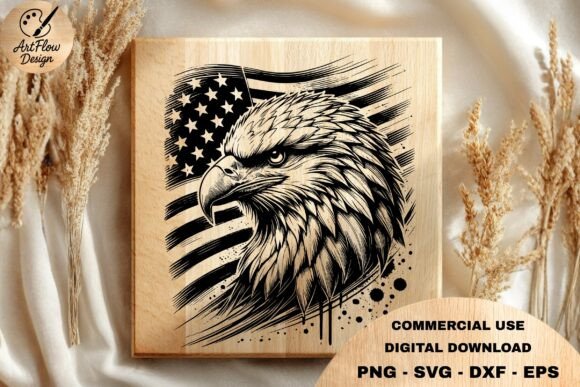
Evaluating the Bald Eagle American Flag SVG for Creative Projects
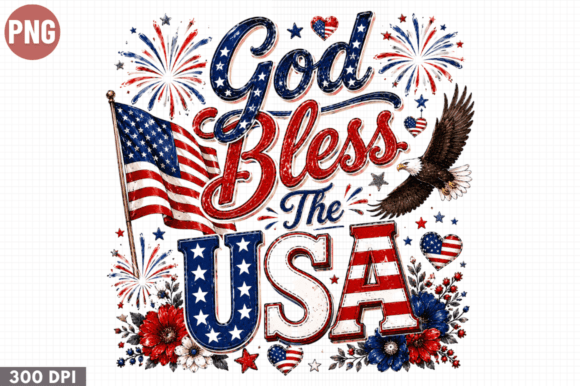
The intersection of digital design and patriotic symbolism often leads creators to seek assets that combine iconic imagery with technical versatility. The Bald Eagle American Flag SVG represents one such asset, merging the powerful silhouette of an eagle head with a stylized representation of the United States flag. For designers, hobbyists, and small business owners, understanding the capabilities and limitations of this specific file format is essential before integrating it into a workflow. This evaluation explores what the file entails, its practical applications, and the considerations necessary to determine if it aligns with specific project goals.
Understanding the File Structure and Design Intent
At its core, the Bald Eagle American Flag SVG is a vector-based graphic designed for scalability and precision. Unlike raster images, which can pixelate when enlarged, Scalable Vector Graphics (SVG) maintain crisp edges regardless of size. The specific design in question utilizes an engraving style, characterized by strong contrast between light and dark areas and fine line details. This aesthetic choice is not merely decorative; it serves a functional purpose for various manufacturing processes.
The package typically includes multiple file formats: SVG, PNG, DXF, and EPS. Each serves a distinct role in the production pipeline. The SVG and EPS files are standard for vector editing software like Adobe Illustrator or Inkscape, allowing users to modify colors, paths, or dimensions without losing quality. The DXF format is specifically optimized for Computer Numerical Control (CNC) machines and laser cutters, ensuring that the machine interprets the lines correctly for cutting or engraving. The PNG file provides a high-resolution preview suitable for digital mockups or printing where vector scaling is not required.
Key Reasons for Interest and Application Areas
Interest in this specific design usually stems from the need for a versatile patriotic motif that works across different mediums. The combination of the eagle and the flag is a timeless symbol in American culture, making it a frequent choice for seasonal decor, veteran appreciation projects, and Independence Day celebrations. However, the decision to use this specific SVG often depends on the intended output method.
For users operating vinyl cutting machines, such as Cricut or Silhouette, the clean lines of the engraving style facilitate easier weeding and application. The high contrast ensures that the design remains legible even when applied to textured surfaces like wood or fabric. Similarly, for those engaged in laser engraving, the vector paths allow for precise control over depth and speed, creating a professional finish on materials ranging from leather to hardwood.
Print-on-demand entrepreneurs also find value in these files. The ability to scale the image allows for placement on diverse products, from t-shirts and mugs to large-scale banners. The inclusion of commercial use rights expands the potential for monetization, provided the user adheres to the restrictions regarding the redistribution of the original files.
Benefits of the Engraving Style
- High Contrast: The stark difference between the eagle's features and the background ensures visibility in low-light conditions or on busy backgrounds.
- Detailed Definition: Fine lines capture the texture of feathers and the folds of the flag, adding depth to flat materials.
- Material Versatility: The design translates well across rigid materials like wood and metal, as well as flexible substrates like vinyl and fabric.
Tradeoffs and Technical Considerations
While the Bald Eagle American Flag SVG offers significant advantages, potential users must weigh certain tradeoffs. The primary consideration is the complexity of the design relative to the equipment being used. The "fine details" mentioned in the description require a machine capable of handling intricate cuts or engravings. Lower-end cutting machines may struggle with very small internal elements, potentially leading to incomplete cuts or difficulty in removing excess material.
Furthermore, the engraving style relies heavily on the interaction between the tool and the material. On lighter woods, a dark stain or ink might be necessary to make the engraved lines visible. Conversely, on dark materials, the contrast might be lost unless a light-colored infill is used. Users must account for these variables during the testing phase, as results will vary depending on material density, grain direction, and machine settings.
Another critical factor is the nature of the digital download. Since no physical item is shipped, the buyer assumes full responsibility for troubleshooting any issues related to file compatibility or rendering. If a user lacks experience with vector software, they may find the process of importing, resizing, or converting the DXF or EPS files challenging compared to using a pre-sized raster image.
Situations Where This Design Is a Strong Fit
This asset is particularly well-suited for projects requiring a balance of symbolic weight and technical precision. It is an ideal choice for:
- Custom Wood Signs: The engraving style mimics traditional hand-carved aesthetics, making it perfect for rustic home decor or commemorative plaques.
- Laser Engraving Services: Businesses offering personalized gifts can utilize the vector paths to create durable, high-quality engravings on awards or keepsakes.
- Vinyl Decals: For vehicle wraps or window decals, the bold lines ensure durability and visual impact from a distance.
- Patriotic Apparel: When printed on fabric using sublimation or screen printing methods, the scalable nature of the SVG ensures clarity on garments of all sizes.
When Alternatives May Be Worth Considering
Despite its strengths, there are scenarios where this specific design may not be the optimal choice. If a project requires a photorealistic depiction of an eagle or a flag with complex gradients and shading, a vector engraving style may appear too flat or simplistic. In such cases, a high-resolution raster image or a more detailed 3D model might better serve the artistic vision.
Additionally, for users with limited access to vector-editing software or CNC machinery, the learning curve associated with preparing these files could be a barrier. Hobbyists who primarily use simple print-and-cut workflows might find a pre-formatted PNG file sufficient, rendering the additional vector formats unnecessary overhead.
Finally, if the project involves rapid prototyping or disposable signage where fine detail is less important than speed, a simpler geometric version of the flag or eagle might reduce production time and material waste.
Practical Decision-Making Insights
To determine if the Bald Eagle American Flag SVG aligns with your needs, consider the following checklist:
- Assess Equipment Capabilities: Does your cutter or laser have the resolution to handle the fine details of the engraving style?
- Verify Software Compatibility: Do you have access to software that can open and edit SVG, DXF, and EPS files effectively?
- Define the End Goal: Is the project focused on durability and texture (favoring engraving/cutting) or color and gradient (favoring printing)?
- Review Licensing Terms: Ensure that the commercial use allowance matches your business model, specifically noting the prohibition on redistributing the original files.
By carefully evaluating these factors, creators can make an informed decision about whether this digital asset will enhance their workflow or introduce unnecessary complexity. The Bald Eagle American Flag SVG is a robust tool for those equipped to leverage its vector capabilities, offering a blend of patriotic sentiment and technical utility for a wide range of creative endeavors.