Choosing the Right Watercolor Easter Chameleon Clipart for Your Spring Projects
As the season shifts toward renewal, creative professionals and hobbyists alike begin curating assets that capture the essence of spring. Among the myriad of digital resources available, Watercolor Easter Chameleon Clipart has emerged as a distinctive choice for those seeking to blend whimsical character design with soft, artistic aesthetics. Unlike standard vector graphics or rigid digital illustrations, watercolor-style clipart offers a hand-painted texture that resonates with the organic feel of the season. This article explores what makes this specific style unique, how it compares to other digital art formats, and when it is the most effective tool for your design workflow.
Understanding the Appeal of Hand-Painted Digital Assets
The primary distinction of Watercolor Easter Chameleon Clipart lies in its visual texture. Traditional digital illustrations often feature clean lines and flat colors, which can sometimes appear sterile in contexts requiring warmth and nostalgia. In contrast, watercolor simulations utilize layered transparency, soft edges, and pigment bleed effects to mimic traditional media. When applied to a subject like a chameleon—an animal already associated with color change and adaptability—the medium enhances the playful nature of the character.
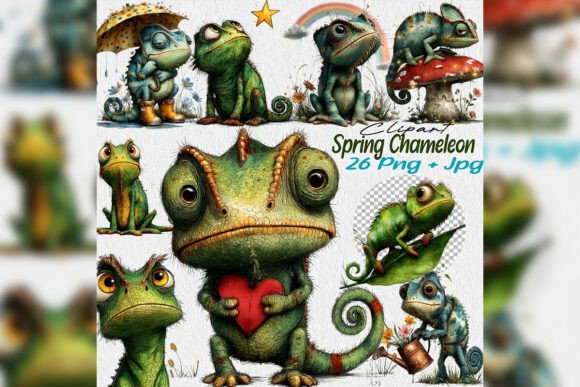
These illustrations typically feature adorable reptile characters styled with festive seasonal details, such as pastel eggs, floral wreaths, or spring blossoms. The combination of cute anthropomorphic traits with high-quality artistic rendering creates a versatile asset. For designers, this means the artwork can serve as a focal point in greeting cards or as a subtle decorative element in planners without overwhelming the layout. The soft aesthetic ensures that the imagery remains cheerful and inviting, aligning perfectly with the emotional tone of Easter and early spring celebrations.
Comparing Formats: Watercolor PNGs vs. Vectors and Photos
When evaluating digital resources, it is crucial to understand how file types impact usability. Most Watercolor Easter Chameleon Clipart bundles are delivered in high-resolution PNG and JPG formats, typically at 300 DPI. This specification is critical for print quality, ensuring that images remain crisp whether used on small stickers or larger wall art.
- PNG with Transparent Background: This is the most valuable format for layering. It allows designers to place the chameleon illustration over any colored background, patterned paper, or text box without a white square surrounding the image. This flexibility is essential for junk journaling, scrapbooking, and complex digital compositions.
- JPG with White Background: While less flexible for layering, JPGs are universally compatible and often easier to handle for simple drag-and-drop applications or social media posts where transparency is not required.
- Vector Graphics (SVG/EPS): Unlike watercolor rasters, vectors are mathematically defined shapes. They scale infinitely but lack the textured, painterly look of watercolor. If your project requires a clean, modern, or corporate look, vectors may be preferable. However, for a handmade, artisanal feel, raster-based watercolor clips are superior.
- Stock Photography: Real photos of chameleons can be striking but often clash with the whimsical, pastel-heavy theme of Easter. Additionally, integrating photos into mixed-media designs requires advanced editing skills to match lighting and color palettes, whereas pre-styled clipart is ready to use.
Ideal Use Cases and Project Fit
Determining whether this clipart bundle fits your needs depends largely on the end product. The versatility of Watercolor Easter Chameleon Clipart makes it suitable for a wide range of applications, but it excels in specific niches.
Handmade Goods and Small Business Products
For artisans creating physical goods, these illustrations are invaluable. Sublimation designs benefit significantly from the high resolution and vibrant yet soft color palette. Whether printing on mugs, tote bags, or t-shirts, the watercolor effect translates well onto fabric and ceramics, providing a premium, handcrafted appearance. Similarly, sticker designers can use individual elements to create die-cut decals for planners or water bottles. The transparent background simplifies the preparation process for print-on-demand services.
Paper Crafts and Journaling
In the realm of scrapbooking and junk journaling, texture is paramount. Users often mix papers, tapes, and ephemera. Watercolor clipart integrates seamlessly into these analog-style layouts because it mimics the look of actual painted elements. It can be printed on matte photo paper or cardstock and cut out to embellish pages. The thematic relevance to Easter also makes it ideal for seasonal spreads, capturing memories of spring holidays with a cohesive visual language.
Digital Planning and Invitations
Digital planners have grown in popularity, requiring assets that are lightweight yet visually appealing. These clipart sets allow users to decorate digital pages without slowing down their apps. Furthermore, for event planners or individuals sending out Easter invitations, the charming nature of the chameleon illustrations adds a personal touch that generic templates lack. The ability to customize colors and arrangements helps create unique invitations that stand out in a crowded inbox.
Evaluating Limitations and Technical Considerations
While Watercolor Easter Chameleon Clipart offers significant aesthetic benefits, it is not without limitations. Designers must consider the static nature of raster images. Unlike 3D models or animated GIFs, these files are fixed in pose and expression. If a project requires a chameleon in a specific dynamic action not included in the bundle, the user may need to commission custom work or manipulate existing images extensively, which can degrade quality.
Additionally, color consistency across different devices and printers can vary. Watercolor hues, particularly pastels, may appear washed out on low-quality printers or overly saturated on uncalibrated monitors. It is advisable to test prints on the intended material before committing to large production runs. For commercial users, understanding the licensing terms is also vital. Most bundles allow for both personal and commercial use, but restrictions may apply regarding mass production limits or resale of the digital files themselves. Always review the specific license included with the download to ensure compliance.
Decision Factors: When to Choose This Style
To make an informed decision, consider the following criteria:
- Aesthetic Goal: If your brand or project aims for a soft, organic, and friendly vibe, watercolor is an excellent choice. If you need sharp, technical, or minimalist visuals, consider line art or geometric vectors instead.
- Target Audience: This style appeals strongly to families, children, and craft enthusiasts. It is less suitable for corporate communications or high-tech product marketing.
- Production Method: Ensure your printing method supports high-resolution raster images. For web-only use, file size optimization may be necessary, though the original 300 DPI files provide ample room for resizing.
- Time Efficiency: Using pre-made clipart saves hours of illustration time. If you need quick turnaround for seasonal products, leveraging a comprehensive bundle is more efficient than creating assets from scratch.
Final Thoughts on Integrating Seasonal Art
Incorporating Watercolor Easter Chameleon Clipart into your creative toolkit offers a balanced approach to seasonal design. It provides the charm of hand-painted art with the convenience of digital accessibility. By understanding the strengths of the watercolor medium and the practicalities of PNG and JPG formats, designers can effectively enhance their projects. Whether for nursery decor, DIY crafts, or professional sublimation products, these illustrations offer a reliable way to inject springtime joy into visual communications. As with any design resource, the key lies in matching the asset’s style to the project’s intent, ensuring that the final output feels authentic and engaging to the audience.